
Can you really beat the odds at a casino?
Understanding Casino Odds
Before diving into the world of casinos, it’s essential to understand what “odds” really mean in this context. Casino odds refer to the probability of winning a particular game or wager. Each game is designed with a house edge, which ensures that the casino remains profitable over time. For example, in a game of roulette, certain bets carry higher odds than others, reflecting the risk involved. Many players also explore various platforms, including online casino real money nz , to find the best odds. Knowing these odds can help players make informed betting decisions and choose their games wisely.
Different games offer varying odds, and understanding these nuances can profoundly impact a player’s strategy. For instance, games like blackjack have a lower house edge compared to slots. This means that players who understand the intricacies of blackjack can potentially reduce the house advantage by employing strategic playing techniques, such as card counting or knowing when to hit or stand. These practices showcase that while the odds are never fully in your favor, a knowledgeable approach can tilt them slightly, enhancing your chances of winning.
Moreover, the concept of “expected value” is crucial in understanding the long-term implications of betting. Expected value calculates the potential outcomes of a wager based on the odds and payouts. For instance, a bet that has a positive expected value means that, on average, a player can expect to win over time. This mathematical approach emphasizes that while winning can certainly occur in the short term, consistent success in the casino requires more than just luck; it demands a strategic mindset and an understanding of how odds work.
The Role of Strategy in Beating Casino Odds
Effective strategies can be a player’s ally in attempting to overcome the inherent odds of casino games. Many experienced gamblers utilize strategies tailored to specific games to maximize their winning potential. For example, in poker, mastering bluffing techniques and understanding your opponents can significantly enhance your chances of success. Unlike many other casino games, poker involves elements of skill, making it possible for dedicated players to gain an edge over less experienced challengers who may rely solely on luck.
In games where luck plays a heavy role, such as slots or roulette, employing a strategy may seem less impactful. However, even in these scenarios, players can adopt methods to manage their bankroll effectively. For instance, deciding on a betting limit before starting a session helps ensure that players don’t chase losses. This approach not only protects one’s funds but also instills a disciplined mindset when gambling, making it easier to enjoy the experience without undue financial stress. The key is to play smart and remain within personal limits.

Additionally, understanding the importance of game selection is a strategy that many players overlook. Choosing to play games with favorable odds or a lower house edge can have a significant impact on a player’s overall experience. A well-informed choice, such as opting for games like baccarat or craps over higher-edge games, could enhance winning potential. Thus, strategic planning can indeed influence the outcome, as it encompasses both gameplay tactics and decision-making about which games to partake in, making it essential for any serious player.
The Influence of Luck in Casino Games
Luck is an undeniable factor when it comes to casino games. It plays a significant role in determining the outcome of games like slots, dice, and roulette, where each spin or roll is entirely random. This randomness can make it exhilarating but also unpredictable. Many players enter casinos believing they can rely on luck alone, leading to a variety of emotional reactions, from exhilaration during a win to despair during a loss. The unpredictability of luck is what draws many to casino gaming in the first place, but it can also lead to erratic betting behavior.
However, while luck can occasionally favor players, it is crucial to understand that casinos are designed to ensure profitability over time. The house edge guarantees that, in the long run, the casino will always have the upper hand. Players may have occasional winning streaks fueled by luck, but these sequences are often fleeting. Thus, it is essential for players to recognize that relying solely on luck can be a precarious strategy that often leads to disappointment and potentially harmful gambling habits.
Many experienced gamblers have learned to balance luck with skill. While they acknowledge that luck can lend a hand, they also recognize the importance of strategic play and informed decisions. Understanding the mechanics of games, employing sound strategies, and maintaining a disciplined approach can significantly shift the dynamics of how luck impacts their overall experience. Ultimately, identifying the interplay between luck and strategy becomes crucial for anyone looking to engage with casino games thoughtfully and responsibly.
The Psychological Aspect of Gambling
The psychological factors influencing gambling behavior cannot be underestimated. Casinos are designed to create an environment that stimulates excitement and encourages prolonged play. This includes elements such as sound effects, lighting, and the layout of gaming areas that are all engineered to enhance emotional reactions. Understanding these psychological triggers can help players maintain their composure and make more rational decisions while gambling, which is essential for a positive gaming experience.
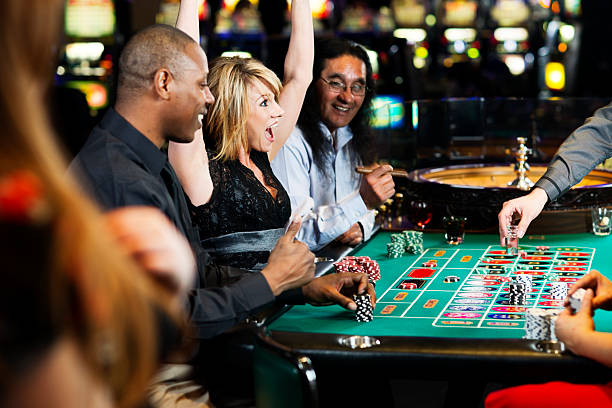
An important psychological aspect to consider is the concept of the “Gambler’s Fallacy.” This is the belief that past outcomes can influence future results in independent events, such as spins on a slot machine. Many players wrongly assume that after a series of losses, their chances of winning increase. This erroneous thinking can lead to reckless betting behavior, making it vital for players to recognize the independence of each game outcome. A grounded approach to gambling is crucial for responsible play.
Furthermore, managing emotions in gambling is paramount. The thrill of winning can often lead to overconfidence, while losses can result in desperation. Developing emotional intelligence around gambling can help players stay grounded. Setting clear budgets and limits, taking breaks, and approaching the game with a clear head are all strategies that can mitigate the psychological pitfalls associated with casino gaming. Those who understand and navigate these psychological elements often find themselves better equipped to enjoy their gaming experiences responsibly and sustainably.
Additional Resources for Responsible Gambling
For those interested in diving deeper into the world of casino gaming, numerous resources are available that promote responsible gambling practices. Websites dedicated to gambling education provide information on various games, strategies, and the importance of setting limits. These platforms can be invaluable for both novice players looking to learn the ropes and seasoned gamblers wishing to refine their approach. Accessing such resources can enhance one’s understanding and enjoyment of casino games.
Support groups and forums also exist for individuals who may struggle with gambling addiction. Engaging with a community that understands the challenges of gambling can provide crucial emotional support and practical guidance. These spaces can help individuals share their experiences, learn from others, and adopt healthier gambling habits, ultimately fostering a more balanced approach to gaming. Responsible gambling is about enjoying the thrill without letting it spiral into harmful behavior.
In conclusion, the journey through the world of casinos involves a blend of understanding odds, strategy, luck, and psychological awareness. It is essential for players to approach gambling with a mindset informed by knowledge and discipline. By utilizing available resources and practicing responsible gambling, individuals can not only enhance their enjoyment of the games but also maintain control over their gaming experiences. This ensures that their time at the casino remains a fun and entertaining pursuit, rather than a source of stress or financial concern.