
Exploring the psychology of gambling: why we play
The Thrill of Uncertainty
The psychology behind gambling often centers around the thrill that comes with uncertainty. Engaging in games of chance triggers a unique response in our brains, particularly in the reward centers. When players place bets, they experience a rush of adrenaline, which is a physiological reaction to the unpredictability of the outcomes. This unpredictability is exhilarating and can be addictive, as the human brain is wired to seek out novel and rewarding experiences, making the potentials of winning feel magnified. For those looking to explore exciting options, online pokies can enhance the experience. The excitement of not knowing whether one will win or lose adds an element of suspense that many find irresistible.
Furthermore, this excitement can lead to a phenomenon known as “near misses,” where players almost win but fall short. Near misses can create a powerful emotional response, fueling the desire to continue playing. For many, the sensation of almost winning is motivating enough to keep them coming back, even in the face of frequent losses. This cycle of expectation and hopeful anticipation cleverly plays into our psychological makeup, contributing to the allure of gambling. The brain interprets these near wins as signs of potential success, reinforcing the behavior and leading to more attempts to achieve that elusive victory.
Moreover, the thrill of uncertainty also ties into societal factors. In many cultures, gambling is associated with risk-taking and daring behavior, often touted as a rite of passage. This social dimension can amplify the desire to participate, especially in group settings or during celebrations. As individuals bond over shared experiences in gambling environments, they may feel a sense of community that reinforces their engagement and enjoyment. This communal aspect can be particularly strong in environments such as casinos or during sporting events, where the collective experience intensifies the thrill of uncertainty.
Emotional Escape and Fantasy
Many individuals turn to gambling as a means of emotional escape from their everyday lives. The hustle and bustle of modern existence can create stress and anxiety, prompting a search for relief. Gambling provides an engaging outlet that allows individuals to momentarily forget their troubles, immersing themselves in a world where the stakes are high, and the possibilities for a better life seem just a roll of the dice away. This form of escapism can become particularly appealing during challenging times, making it a go-to coping mechanism for many. The allure of a temporary escape can often overshadow the potential consequences, as individuals prioritize immediate gratification over long-term stability.
This desire to escape reality is often intertwined with fantasy. The allure of winning big—whether it’s through slot machines, card games, or betting on sports—fuels dreams of financial freedom and lavish lifestyles. For many, the fantasy of winning can be just as satisfying as the act of playing itself. Imagining the possibilities of what one could do with a large windfall creates a psychological high that can be intoxicating. This fantasy aspect allows gamblers to suspend their reality, even if briefly, creating a sense of hope and excitement. The narratives often promoted in popular culture around gambling winnings further enhance these fantasies, making the dream of winning seem attainable to many.

Furthermore, the narrative surrounding gambling often glorifies winners, further adding to the appeal. Stories of everyday individuals striking it rich resonate with many, inspiring them to try their luck in hopes of becoming the next success story. This phenomenon can blur the lines between reality and imagination, leading people to believe that winning is not just a possibility, but an inevitability, which can intensify their gambling behavior. As such, gamblers may find themselves caught in a cycle of hope and disappointment, perpetually chasing that elusive jackpot that they believe will change their lives.
Social Influence and Peer Pressure
Social dynamics play a significant role in gambling behavior, as the influence of peers can drive individuals to participate in gaming activities. People are often drawn to environments where gambling is celebrated, such as casinos, where the energy and camaraderie create an inviting atmosphere. The social aspect of gambling—playing with friends or family—can enhance the experience, making it more than just about winning or losing, but rather about the connections formed and memories created. These social interactions can contribute to a sense of belonging and community that is hard to replicate in other activities.
Peer pressure is another compelling factor in the psychology of gambling. In social settings, individuals may feel compelled to conform to the behaviors of their peers, whether it’s participating in a game or placing a bet. This desire to fit in can lead to impulsive decisions and increased gambling activities, especially among younger individuals who are more susceptible to social influence. The sense of belonging that comes from gambling with others can overshadow individual concerns about the consequences of such actions. It creates an environment where the thrill of the game is amplified by the collective enthusiasm of the group.
Additionally, platforms for gambling have evolved with technology, bringing social gaming to a new level. Online platforms allow individuals to engage in gambling activities from the comfort of their homes while interacting with others. This shift has transformed how people connect and participate in gambling, further solidifying the social ties that can drive gambling behavior. The allure of competing against friends or strangers adds a layer of excitement that can make the experience more enjoyable and engaging. It creates opportunities for social interaction that can reinforce gambling habits, making it an integral part of socializing for many individuals.
The Role of Cognitive Biases
Cognitive biases significantly influence gambling behavior, shaping how individuals perceive risks and rewards. One of the most common biases in gambling is the illusion of control, where players believe they can influence the outcome of a game based on their skills or strategies. This misconception can encourage continued play, as gamblers may rationalize their losses by believing they just need a bit more time or a different approach to turn their luck around. This bias can create an ongoing cycle of gambling that is hard to break, as players often overestimate their ability to predict or control outcomes.
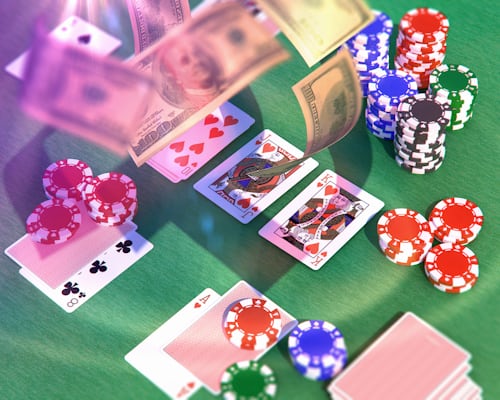
Another common cognitive bias is overconfidence, which can lead individuals to place larger bets or take greater risks than they normally would. The belief that they are “due” for a win after a streak of losses is particularly powerful. This mindset can obscure the reality of the odds and probabilities involved in gambling, leading to increased losses. These cognitive traps can perpetuate a gambler’s behavior, making it difficult for them to recognize when to stop or reassess their strategies effectively. The more one engages in gambling, the more entrenched these biases become, often leading to a deeper entanglement in gambling activities.
Moreover, the framing of information can impact decision-making in gambling. For example, when individuals are presented with potential winnings framed as gains, they are more likely to take risks, even if the odds remain the same. This manipulation of perceptions plays into the gambler’s hope and desire to win, effectively steering their behaviors towards continued participation. Understanding these cognitive biases is essential for both gamblers and those looking to help them navigate their relationship with gambling. By recognizing these mental traps, individuals can develop healthier attitudes toward gambling and make more rational decisions.
Understanding Gambling Websites and Resources
As the landscape of gambling evolves, so too do the resources available to those who engage in these activities. Online gambling websites provide various games and experiences, catering to an audience that seeks convenience and excitement. With the rise of these platforms, it is crucial for players to approach gambling with awareness and responsibility. Understanding the mechanics of these sites, how games work, and the potential risks involved is essential for a positive experience. Awareness of the odds and the nature of the games can help players make informed decisions, reducing the likelihood of negative outcomes.
Furthermore, educational resources are becoming increasingly important for individuals exploring the world of gambling. Many websites offer insights into the psychology of gambling, helping players discern their motivations and behaviors. Recognizing the signs of problem gambling and understanding the potential effects on mental health can empower individuals to make informed choices. These resources also provide guidance on setting limits and understanding when to seek help. By promoting responsible gambling practices, these platforms contribute to a healthier gambling environment.
Finally, community support is vital in navigating gambling behaviors. Many online platforms host forums or support groups where individuals can connect, share experiences, and seek guidance from others who understand the complexities of gambling. These supportive environments can foster a sense of belonging and facilitate healthier conversations about gambling habits, promoting positive change. The combination of awareness, education, and community can significantly enhance one’s relationship with gambling, allowing individuals to engage safely and responsibly. Ultimately, understanding the psychological aspects of gambling can lead to healthier behaviors and more satisfying experiences in this popular activity.